


When did Wholeness Become Inconvenient?
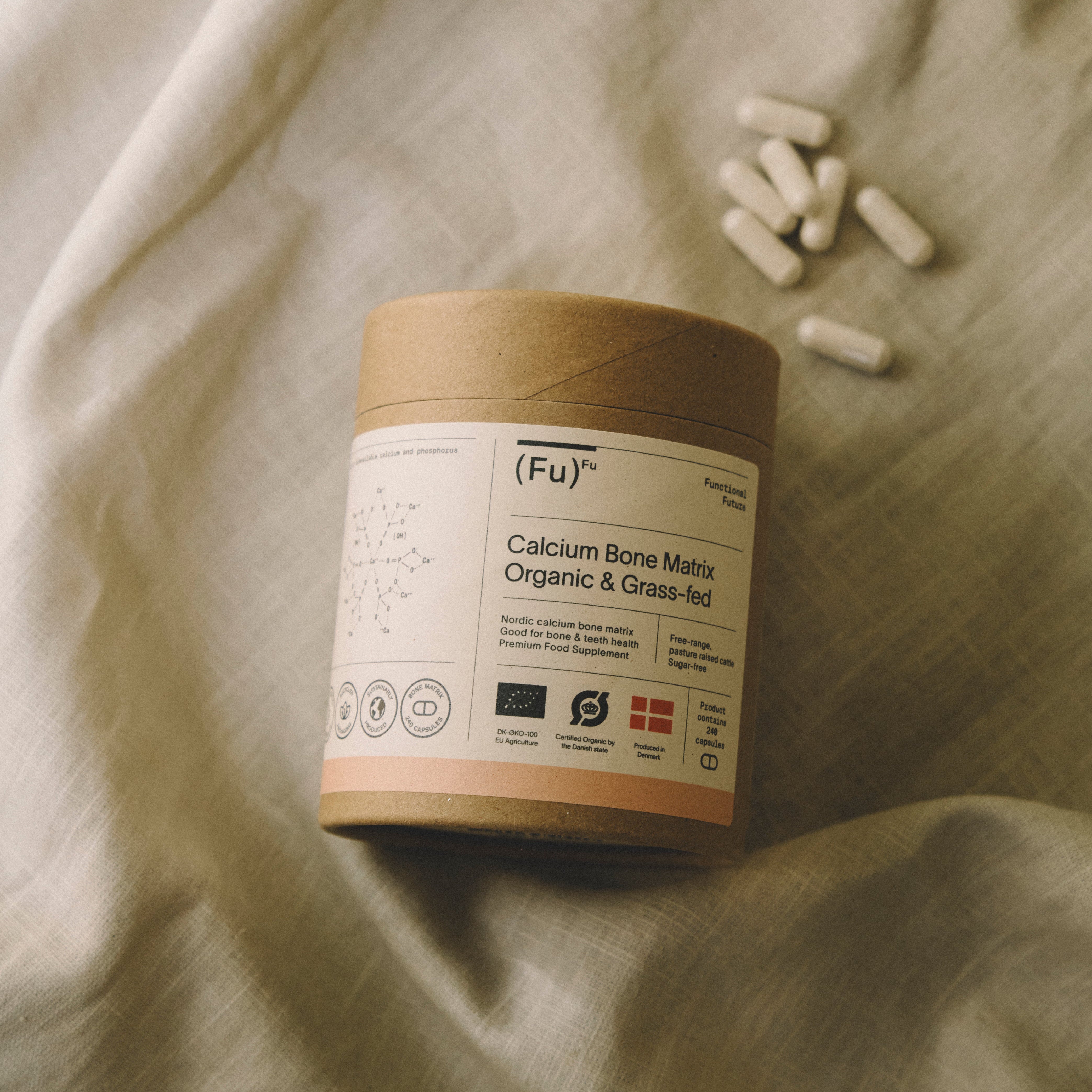
Learn more about the product - Organic Organ Matrix
Beyond efficiency
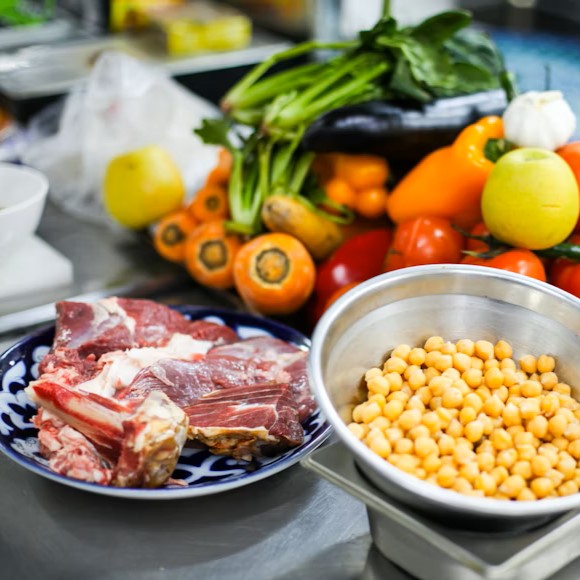
Modern culture is built on efficiency. We prize the fastest route, the cleanest cut, the most refined version. Food has been shaped by this mindset too: skinless chicken breasts, boneless fillets, uniform steaks packaged neatly in rows. What is efficient for the eye and the schedule often leaves something behind. Variety, depth, and nutrient density are stripped away in the pursuit of convenience.
The value of what we discard
For most of history, this idea would have seemed absurd. In ancestral traditions, nothing was wasted. Every part of the animal carried meaning and value. Organs were prized not just for their nutrient-dense qualities but for what they represented: respect for the animal, sustainability in practice, and wholeness in diet. To discard them would have been unthinkable. Yet today, they are often the first parts to be thrown away, their richness forgotten in a culture that celebrates uniformity.
Wholeness as a principle
Wholeness is not only about food, it is a way of thinking. It means recognising value in what is overlooked, respecting cycles, and embracing balance instead of perfection. In wellness, wholeness challenges the pursuit of quick fixes and highlights the importance of authentic, sustainable practices. It asks us to choose routines and inputs that contribute to longevity rather than to appearances alone.
Return to depth
This philosophy is finding its way back. The rise of nose-to-tail cooking, the popularity of fermentation, and the growing demand for wholefood practices show a cultural hunger for authenticity. People are questioning why nutrient-rich, sustainable choices were discarded in favour of aesthetics and speed. The shift is not only about nutrition but about meaning: choosing practices that align with resilience, sustainability, and balance.
Modern expression of wholeness
Our Organic Organ Matrix reflects this principle. Made from grass-fed Nordic cattle, it blends liver, heart, kidney, and spleen into a form that preserves the philosophy of nothing wasted while fitting into modern life. It is a reminder that resilience, authenticity, and sustainability begin with wholeness and that the parts we overlook often carry the greatest depth.
Read more

Flow is the body’s quiet language of balance. When movement returns, clarity follows. Gentle rhythm restores connection, reminding us that vitality depends not on effort but on openness and awareness.

Modern food often hides complexity, but strong flavours once signaled strength and nourishment. Liver, rich in essential nutrients, reminds us that flavour reflects function. To embrace its ...